
December 13, 2025 — ZenX News Desk
Istanbul, Turkey – A city that has long stood at the crossroads of civilizations, Istanbul continues to shine as one of the world’s most vibrant centers of commerce and culture. Straddling Europe and Asia, this metropolis uniquely blends its rich history with modern trade, making it a hub for business, tourism, and international exchange.
A Historic Trade Crossroads
Istanbul’s commercial importance stretches back millennia. Formerly known as Byzantium and later Constantinople, the city thrived as a gateway between East and West. Traders from Asia, the Middle East, and Europe passed through its streets, exchanging silk, spices, gold, and other goods. The Silk Road, which connected China to Europe, ran through Istanbul, establishing the city as a critical node in global commerce.
The Bosphorus Strait, which splits the city into European and Asian sides, remains strategically vital today. As one of the world’s busiest maritime routes, it facilitates the flow of oil, gas, grain, and other essential commodities, linking regional markets to the global economy.
From Grand Bazaars to Modern Trade Centers
Istanbul’s Grand Bazaar, with its 4,000-plus shops, continues to attract millions of visitors yearly. Here, merchants sell everything from handcrafted jewelry and carpets to spices and antiques, preserving a centuries-old tradition of trade. Meanwhile, modern districts such as Levent, Maslak, and Ataşehir are home to multinational companies, banks, and tech startups, reflecting Istanbul’s evolution into a contemporary business hub.
Wholesale markets and logistics centers in the city serve as critical points for exporting goods across Europe, the Middle East, Africa, and Central Asia. The city’s dynamic market infrastructure ensures it remains at the forefront of global trade.
A Hub for Global Connectivity
Istanbul’s connectivity further enhances its status as a global marketplace. The city is served by Istanbul Airport, one of the world’s largest, handling millions of passengers and tonnes of cargo annually. Its seaports, rail networks, and highways ensure smooth transport of goods across continents, making it a vital link in international supply chains.
Additionally, Turkey’s customs union with the European Union simplifies trade, allowing Istanbul to act as a gateway for both European and Asian markets. Companies based in the city benefit from its geographic advantages, regulatory framework, and access to a diverse talent pool.
Culture, Tourism, and Commerce Intertwined
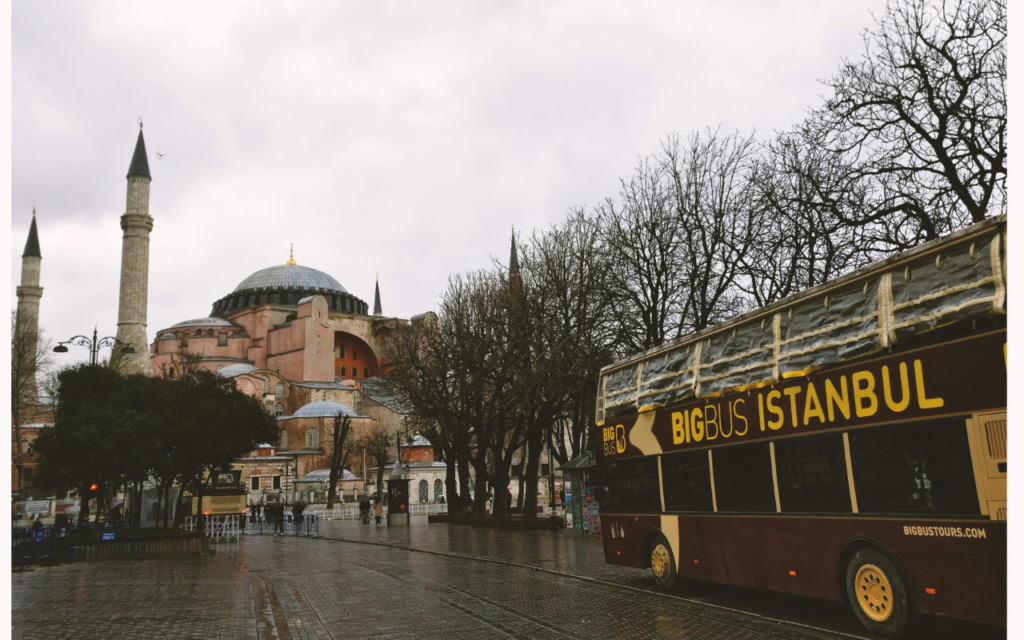
Trade in Istanbul is not only about commerce—it is also deeply tied to culture and tourism. The city’s rich history, iconic architecture, and culinary heritage attract visitors who contribute significantly to its economy. Markets, street vendors, and luxury shopping districts coexist, illustrating how commerce and culture blend seamlessly in everyday life.
Tourism and business are intertwined: investors, traders, and entrepreneurs often explore Istanbul’s heritage sites, meeting potential partners and clients in a city where history meets modern enterprise.
Looking Ahead
With its strategic location, robust infrastructure, and unique cultural appeal, Istanbul is poised to remain a central player in global trade for decades to come. As businesses seek connections between Asia and Europe, the city continues to embody its historic role as a bridge between continents, offering a marketplace where commerce, culture, and innovation intersect.