
December 12, 2025 — ZenX News Desk
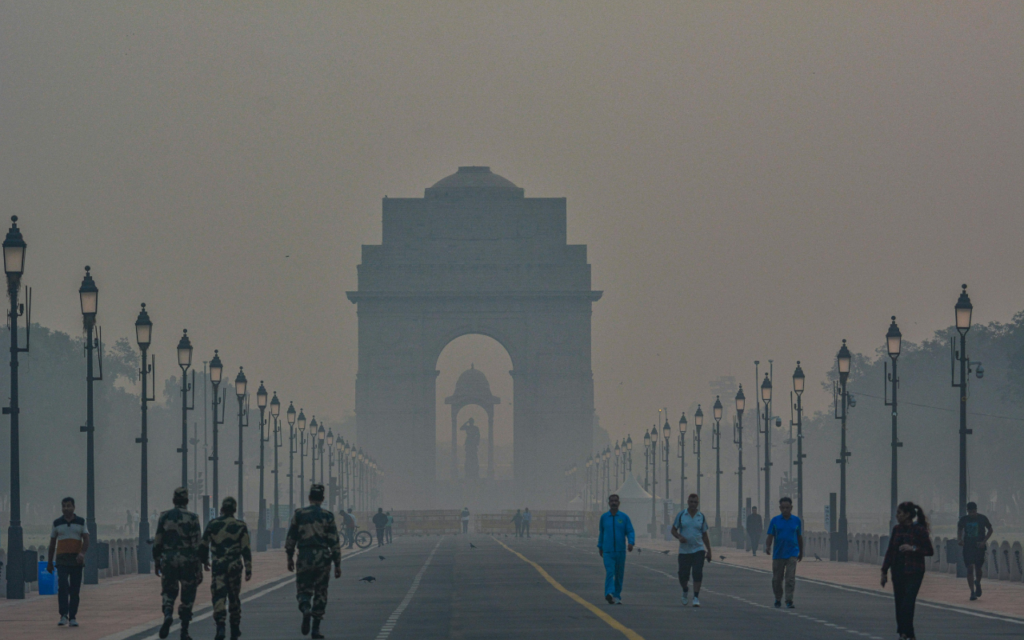
Each winter, New Delhi and its surrounding regions are engulfed by hazardous smog, pushing air quality levels into the “severe” category. This year has been no exception, with pollution readings soaring as smoke from fireworks, farm fires, traffic congestion and industrial activity gets trapped by colder air.
While India continues to struggle with worsening air pollution across dozens of cities, its neighbour China offers a striking example of how determined policy action can deliver results. Once labelled the world’s “smog capital”, Beijing has undergone a dramatic transformation, emerging as a case study in urban air quality management.
From Smog to Strategy
Two decades ago, Beijing’s air was among the most polluted on the planet. The turning point came in the run-up to the 2008 Olympics, when China introduced temporary emission controls. These early efforts later evolved into a comprehensive national campaign launched in 2013 through a five-year action plan targeting air pollution.
The strategy focused on shutting down coal-fired boilers, expanding public transport, promoting electric vehicles, upgrading industrial technology and accelerating the shift to renewable energy. Cutting fine particulate matter — known as PM2.5 — became a top priority due to its severe health risks.
Measurable Gains Over Time
The impact was significant. By 2017, heavily polluted areas had recorded marked improvements, driven by stricter enforcement, factory relocations, emergency response systems and incentives to curb agricultural burning. Average PM2.5 levels in Beijing fell sharply over the following decade, dropping by nearly half between 2013 and 2019, and continuing to decline thereafter.
By 2024, pollution levels had reduced further, and early data from 2025 suggests continued progress. Although Beijing’s air still falls short of World Health Organization standards, the improvement represents a major breakthrough for a city once synonymous with smog.
Economic Growth Without Environmental Collapse
China’s experience also challenges the notion that cleaner air must come at the cost of economic growth. Even as pollution levels declined, the country’s economy expanded rapidly. Investments in clean technology, electric vehicles and renewable energy not only reduced emissions but also positioned China as a global leader in the green energy supply chain.
Independent assessments back up these claims. Regional data from northern China shows large reductions in pollutants such as sulphur dioxide and nitrogen dioxide, alongside a rise in the number of days with acceptable air quality.
Lessons for India
Experts note that China’s success rested on consistent enforcement, strong coordination between central and local governments, and active participation from industries once responsible for heavy pollution. Financial backing, real-time monitoring and clear accountability were also crucial.
India now faces a similar crossroads. Like China a decade ago, rapid urbanisation and industrial growth have intensified environmental pressures. Drawing lessons from Beijing’s experience — such as restricting high-emission industries, expanding electric public transport, monitoring construction dust and strengthening coordination across states — could help India curb pollution without derailing development.
A Shared Regional Challenge
Air pollution remains a transboundary threat, affecting health, climate and economic productivity across Asia. Even China, despite its progress, continues to face renewed challenges in some regions, highlighting the need for sustained effort and regional cooperation.
For India, the message is clear: long-term commitment, policy consistency and learning from proven models could pave the way for cleaner air and healthier cities, while still supporting economic ambitions.
Based on international analysis and reports