
Jan 26, 2026 – By Zenx News
As the world grapples with the explosive growth of artificial intelligence, cybersecurity experts are sounding the alarm over a new wave of sophisticated threats reshaping the digital defense landscape. The World Economic Forum’s freshly released Global Cybersecurity Outlook 2026 (in collaboration with Accenture) warns that accelerating AI adoption, deepening geopolitical fragmentation, and widening cyber inequity are fueling an unprecedented escalation in cyber risks. Organizations worldwide are urged to prioritize resilience, identity protection, and AI governance to stay ahead of evolving attacks.
Recent incidents and reports from January 2026 highlight how threat actors are leveraging AI to automate and scale their operations, making traditional defenses increasingly inadequate. From AI-driven ransomware to identity-based breaches, the first month of the year has already seen significant developments that signal a challenging year ahead.
Key Cybersecurity Threats Emerging in 2026
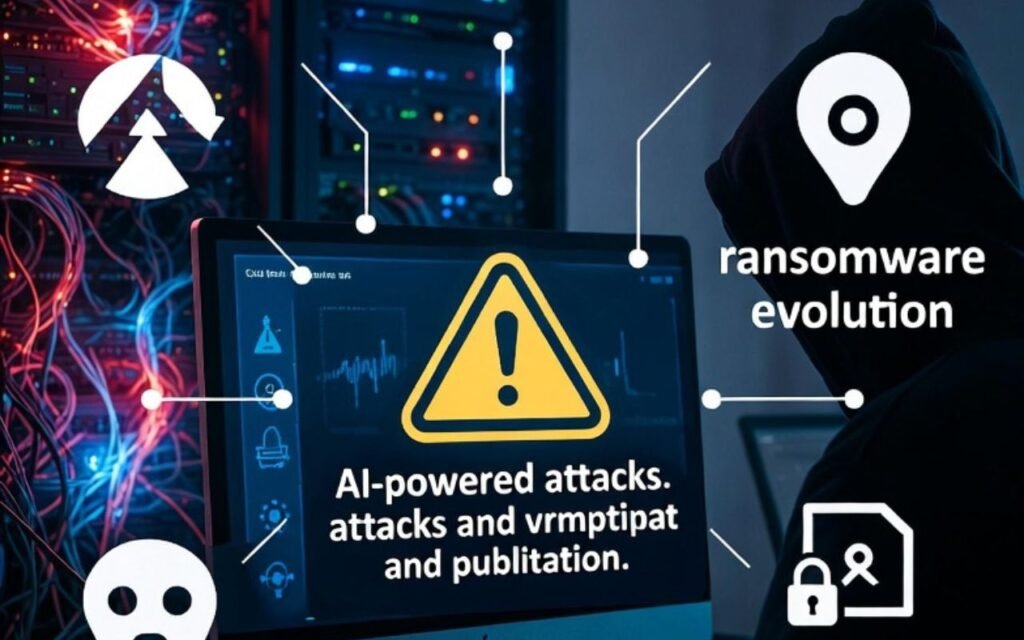
- AI as the Ultimate Attack Accelerator AI is no longer just a defensive tool—it’s empowering cybercriminals at an alarming rate. Autonomous AI agents are automating vulnerability discovery, crafting hyper-realistic phishing campaigns, and orchestrating ransomware attacks with unprecedented speed. Reports indicate that AI is supercharging social engineering, enabling attackers to generate personalized lures, deepfake content, and even psychological manipulation tactics. Experts predict that AI will accelerate vulnerability exploitation, allowing even low-skill hackers to launch sophisticated operations.
- Identity as the Top Threat Vector Permiso’s State of Identity Security 2026 report, based on surveys of over 500 organizations, reveals that identity abuse ranks as the number-one cybersecurity threat vector. AI massively compounds this risk by enabling automated credential stuffing, session hijacking, and evasion of multi-factor authentication. Over 70% of respondents believe better identity visibility could have prevented a significant portion of their incidents, with nearly 90% planning increased investments in identity security this year.
- Ransomware Evolution and Supply Chain Vulnerabilities Ransomware remains one of the fastest-growing threats, now enhanced by AI for faster encryption, exfiltration, and extortion. Attackers continue to exploit third-party weaknesses, as seen in recent supply chain incidents affecting major tech ecosystems. Manufacturing, critical infrastructure, and SaaS platforms face heightened risks from misconfigurations and unpatched vulnerabilities.
- Prompt Injection and AI-Specific Attacks New techniques like “Reprompt” allow attackers to exfiltrate sensitive data from enterprise AI chatbots (such as Microsoft Copilot) with a single click, bypassing security controls. Malicious browser extensions masquerading as HR and ERP tools are also stealing credentials and taking control of accounts.
- Geopolitical and Regulatory Pressures State-sponsored actors from nations like China and Russia are intensifying attacks on global supply chains. The European Commission has proposed revisions to the Cybersecurity Act to boost EU cyber resilience and secure ICT supply chains, while reviews aim to limit risks from high-risk suppliers. Regulatory shifts are pushing for better disclosures and AI governance.
Breakthroughs and Defensive Advances
Amid the threats, positive developments are emerging:
- Exposure Management Solutions — Check Point’s new Exposure Management platform unifies threat intelligence, context, and remediation to turn fragmented data into actionable defenses.
- Zero Trust and AI-Enhanced Monitoring — Organizations are shifting toward zero-trust architectures, quantum-resistant encryption, and AI-powered SOC operations for proactive threat hunting.
- Regulatory Momentum — Initiatives like Microsoft’s default activation of messaging safety features in Teams (starting January 2026) and global calls for AI guardrails are strengthening baseline protections.
Challenges and Recommendations
The convergence of AI risks, identity weaknesses, and geopolitical tensions creates a complex environment. Many predictions hype speculative scenarios, but real-world data points to immediate priorities: better visibility into identities, continuous vulnerability scanning, layered AI defenses, and robust incident response.
Experts emphasize shifting from prevention-only mindsets to resilience-focused strategies. Organizations should:
- Invest in identity security and visibility tools.
- Implement AI red teaming and prompt injection protections.
- Adopt zero-trust principles across networks and AI systems.
- Enhance supply chain security and third-party risk management.
- Prepare for quantum threats with forward-looking encryption.
In early 2026, cybersecurity is no longer a back-office function—it’s a boardroom imperative. As AI reshapes both attack and defense landscapes, proactive adaptation will determine which organizations thrive and which become the next headline breach.
The message is clear: Ignore the hype, focus on evidence-based risks, and build resilient systems now. The cyber battlefield of 2026 is already active, and preparation starts today.